

Wang Vision Now Offers Low-Level Light Therapy Treatment!
What is Low-Level Light Therapy?
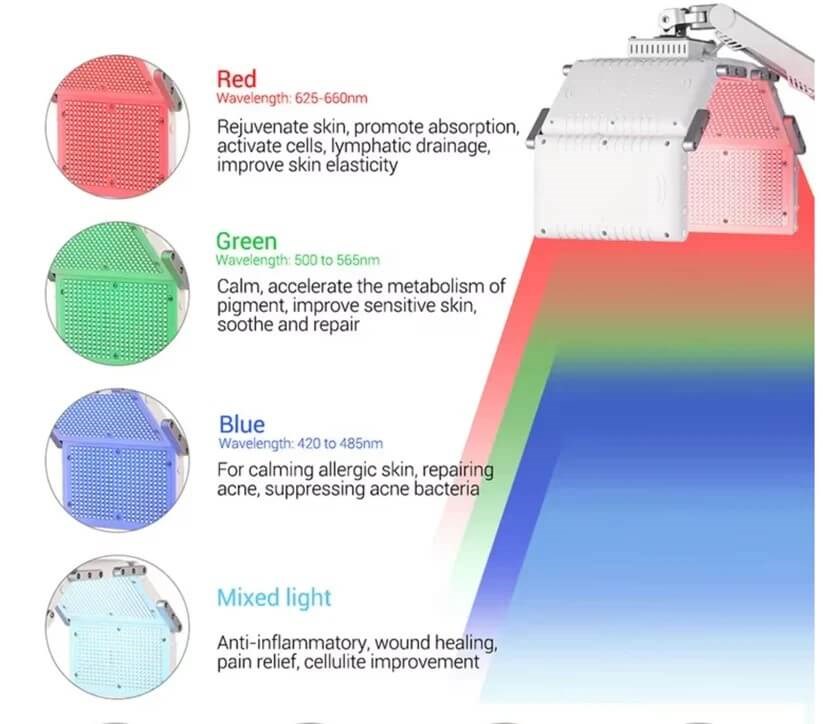
Low-Level Light Therapy (LLLT) uses photobiomodulation to treat dry eye, particularly that caused by meibomian gland dysfunction (MGD). It delivers specific light wavelengths to stimulate cellular repair, reduce inflammation, and improve tear film dynamics.
In addition to treating dry eye, LLLT also has additional aesthetic benefits. It can improve skin appearance by reducing wrinkles, redness, and acne.
How does LLLT help with dry eye and MGD?
Low-Level Light Therapy uses a non-thermal approach with targeted light wavelengths to:
- Stimulate Cellular Repair: Boosts cellular energy to improve meibomian gland function, addressing MGD.
- Reduce Inflammation: Modulates the immune response to alleviate dry eye symptoms, such as burning or stinging.
- Relieve Pain and Discomfort: Provides analgesic effects to reduce discomfort associated with dry eye.
- Improve Tear Film Dynamics: Enhances meibum production for a more stable tear film, increasing tear break-up time and reducing dryness.
Is Low-Level Light Therapy safe?
Yes, LLLT uses non-thermal light therapy, minimizing risks of burns or discomfort. Patients will need a consultation with one of our doctors to determine if LLLT is right for them.
What should a patient expect during an LLLT session?
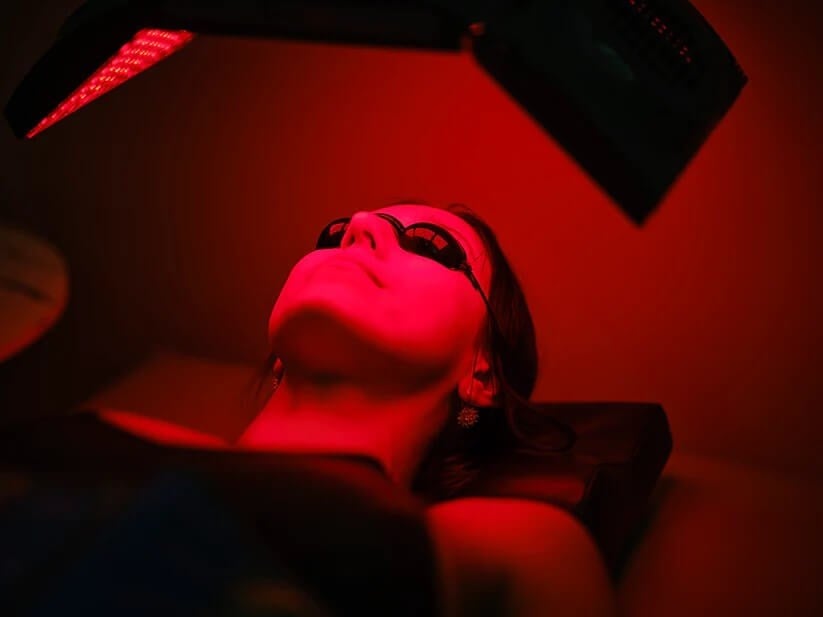
During a session, the device is positioned to deliver light to the eyelids and periorbital area. Non-thermal therapy is painless, and patients may experience mild warmth or no sensation at all. Sessions are brief, typically lasting 30 minutes.
Can LLLT be combined with other dry eye treatments?
Yes, Low-Level-Light Therapy is often used as a complementary treatment. It can be paired with Intense Pulse Light (IPL) and our Ocular Surface Procedure. In addition, our doctors may recommend it in conjunction with other dry eye treatments, such as eye drops, punctal plugs, or AMCL.
Who is a good candidate for Low-Level Light Therapy?
LLLT is ideal for patients with evaporative dry eye caused by meibomian gland dysfunction (MGD). It may benefit those experiencing symptoms such as burning, stinging, redness, or a foreign body sensation. A consultation is necessary to determine candidacy.


