
- Procedure Name:
- Plugs for Dry Eyes Service
Temporary or permanent silicone plugs in the tear ducts keep tears in your eye from draining away as quickly.

- Procedure Name:
- LASIK Eye Surgery Service
Using laser technology to reshape the corneas, LASIK eye surgery in Nashville, TN is regarded as the most popular vision correction surgery.

- Procedure Name:
- ZEISS SMILE Service
SMILE (small incision lenticule extraction) is a minimally invasive refractive eye surgery that corrects a patient's vision without making a flap.

- Procedure Name:
- PRK Service
Photorefractive keratectomy, often shortened to PRK, was one of the first industry-changing laser vision correction services and is still done today.

- Procedure Name:
- Forever Young™ Lens Surgery Service
Utilizing four advanced technologies to produce comprehensive results, Forever Young lens surgery can be done for those with presbyopia or cataracts.

- Procedure Name:
- Implantable Contact Lens Service
Implantable contact lenses in Nashville, TN are becoming more popular among those wishing to achieve long-lasting improvement in their vision.

- Procedure Name:
- Near/Farsighted Explained Service
Get clearer vision with treatment for your nearsightedness or farsightedness including multiple treatment options like glasses, contacts, and LASIK.

- Procedure Name:
- Glaucoma Explained Service
Affecting numerous individuals in Nashville, TN, glaucoma is a diverse group of optical disorders that can cause damage to the optic nerve.

- Procedure Name:
- Cataracts Explained Service
Cataracts are a common eye condition affecting Nashville, TN patients by causing fogging of the eye lens, leading to decreased vision quality.

- Procedure Name:
- Laser Cataract Surgery Service
Cataracts are known to cause cloudy or faded vision. Learn how a Nashville cataract surgeon can improve your condition with laser cataract surgery.

- Procedure Name:
- YAG Laser Capsulotomy Service
If you develop hazy, cloudy vision in the months or years following cataract removal surgery, a YAG capsulotomy can be performed for clearer vision.

- Procedure Name:
- Cataract Lens Options Service
Intraocular lenses (IOLs) are artificial lenses that are utilized in laser cataract surgery to replace the cataract and restore a patient's vision.

- Procedure Name:
- Cornea Diseases and Disorders Service
There are a number of corneal diseases and disorders that cause harmful symptoms to manifest and can adversely affect your overall eye health.

- Procedure Name:
- Keratoconus Service
Keratoconus is a disorder characterized by the progressive thinning of the corneal tissue. Thankfully, this condition can be managed and treated.

- Procedure Name:
- Corneal Cross-Linking Service
Corneal cross-linking in Nashville, TN is an innovative and new medical treatment designed to slow or stop the progression of keratoconus.

- Procedure Name:
- Intacs® Corneal Implants Service
Intacs are nearly microscopic implants that are inserted into the stoma around the edges of the cornea to address keratoconus-related vision issues.

- Procedure Name:
- PTK Service
Phototherapeutic keratectomy, also called PTK, is a treatment that addresses corneal scarring, recurrent corneal erosions, and corneal dystrophies.

- Procedure Name:
- Superficial Keratectomy Service
Superficial keratectomy (Super K) in Nashville, TN is performed when the removal of the outermost layer of the cornea, the epithelium, is necessary.

- Procedure Name:
- Amniotic Membrane Contact Lens Service
The amniotic membrane contact lens, developed by Dr. Wang himself, utilizes the wound-healing properties of the amnion to treat dry eye and scarring.

- Procedure Name:
- Flashes and Floaters Service
While flashes and floaters are not usually an indication of a more serious condition, you should seek treatment if you notice a decline in vision.

- Procedure Name:
- Diabetic Retinopathy Service
Diabetic retinopathy is a disease that causes few, if any, symptoms to develop but may result in blindness if allowed to progress and left untreated.
- Procedure Name:
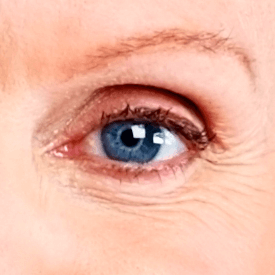
- Macular Degeneration Service
Macular degeneration is a condition that affects the proteins within the retina, causing them to lump together and sometimes resulting in bleeding.

- Procedure Name:
- Low-Level Light Therapy (LLLT) Service
Low-Level Light Therapy treats dry eye and MGD by boosting cellular repair, reducing inflammation, and improving tear film while enhancing skin.

- Procedure Name:
- BOTOX® Service
Our skilled team can accurately and effectively administer BOTOX injections in Nashville, TN throughout the upper face and around the eyes.

- Procedure Name:
- Latisse® Service
FDA-approved Latisse prescriptions in Nashville, TN can transform short and brittle lashes into fuller, darker, and longer lashes in just eight weeks.

- Procedure Name:
- IPL for Skin Conditions Service
IPL photofacials for skin conditions in Nashville, TN use high-intensity light to address skin concerns and create a more youthful complexion.


- Procedure Name:
- Myopia Management Service
Managing myopia helps reduce the risk of serious eye diseases and supports long-term visual stability.

- Procedure Name:
- Eye Exams Service
We recommend comprehensive eye exams in Nashville, TN every year to ensure that the quality of vision and eye health are in good shape.

- Procedure Name:
- IPL for Dry Eyes Service
Intense Pulsed Light Therapy, or IPL, is a great and minimally-invasive. treatment option for Nashville, TN patients who suffer from dry eye syndrome.

- Procedure Name:
- Aging Eyes Explained Service
Address common eye issues like blurry near vision caused by aging or presbyopia with expert eye care at Wang Vision Institute in Nashville, TN.
- Procedure Name:
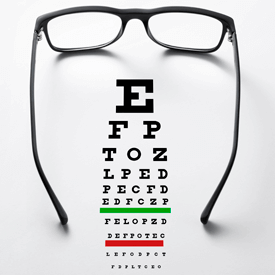
- Myopia Service
Myopia, commonly known as nearsightedness, is an eye condition that can manifest in children, teens, or adults as a result of genetic factors.

- Procedure Name:
- Hyperopia Service
Farsightedness, also known as hyperopia in medical settings, affects a person's ability to view objects, words, or pictures from a close distance.

- Procedure Name:
- Presbyopia Service
Many adults begin to notice a decrease in the quality of their vision around or after the age of 40 as a result of the condition known as presbyopia.

- Procedure Name:
- Common Eye Infections Service
Eye infections occur in people of all ages. Some of the more common types are pink eye, uveitis, blepharitis, and styes, all of which can be treated.
- Procedure Name:
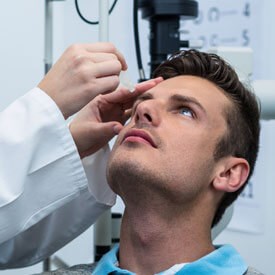
- Dry Eye Syndrome Service
Dry eye syndrome Nashville, TN is an eye condition that is characterized by persistent dryness or irritation of the eyes

- Procedure Name:
- Eye Allergies Service
Eye allergies are a common seasonal occurrence that affects millions of Americans every year. To achieve relief, schedule an eye exam at our office.

- Procedure Name:
- Astigmatism Service
Astigmatism in Nashville, TN patients can affect your vision due to the curvature of your cornea not allowing your eye to focus light properly.